

Intelligent Automation
Automation applied where it removes real effort, with people retained where judgement matters.

The business problem
Automation pilots often succeed in isolation and then stall, because the underlying process was never examined and nobody owns the results.
Our approach
Process discovery first, followed by automation of well-understood steps, with human review and monitoring designed in from the start.
Why it matters, in published figures
of organisations regularly use AI in at least one business function, while most have not yet scaled it
Source: McKinsey State of AI, 2025of US non-federal acute care hospitals used predictive AI integrated with the EHR in 2024, up from 66% in 2023
Source: ASTP/ONC data brief, 2025of those enterprise applications are actually integrated
Source: MuleSoft Connectivity Benchmark, 2025Key capabilities
- Process discovery
- Automation assessment
- Workflow automation
- Document processing
- AI integration strategy
- Monitoring and oversight
How it runs, step by step
The real design follows from your environment.

- Staff time returned to skilled work
- More consistent routine processing
- Clear accountability for automated steps
Try it: Clinical Intelligence and Analytics
Decision support that predicts which patients need attention and shows why, with demand forecasts, executive dashboards and plain-language summaries. Use it for yourself, or
Estimate it for your organisation
Time spent on routine document and data entry work. Set your own numbers and your estimate updates instantly.
Based on 230 working days and 1,720 hours a year. An estimate from your inputs, not a guaranteed result.
Review this with our teamHow we would engage
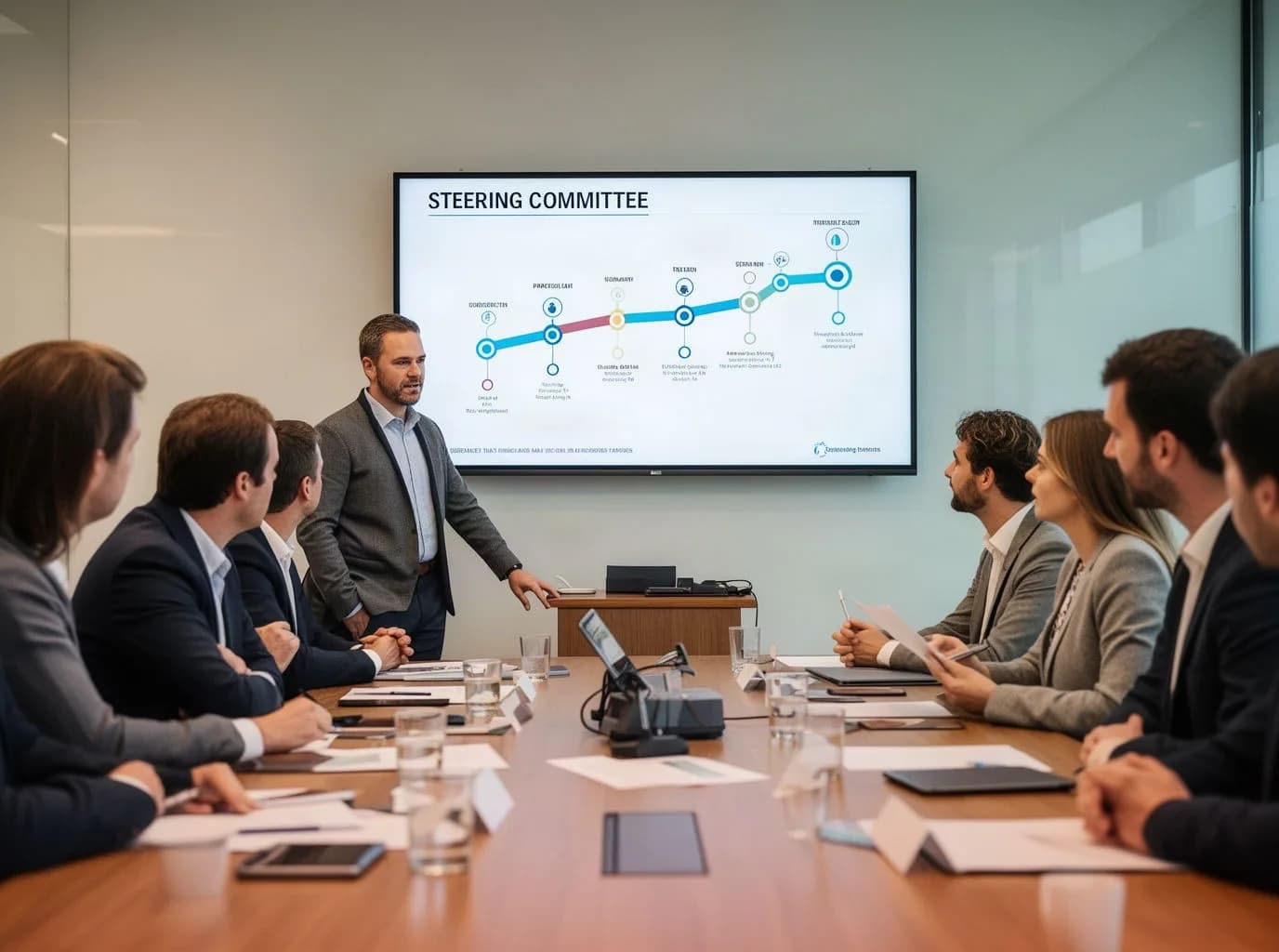
We spend time with the people who do the work, as well as those who sponsor it. The output is a shared statement of what must change and why.
What you receive
- Shared problem statement
- Success measures agreed
- Stakeholder map
Who is involved
Sponsors and business leads
Stage 1 of 7
Discuss Intelligent Automation With Us.
Share a little about your organisation and what you hope to change, and we will arrange a conversation.