

Enterprise Architecture
A shared map of the estate and a practical direction for how it should evolve.
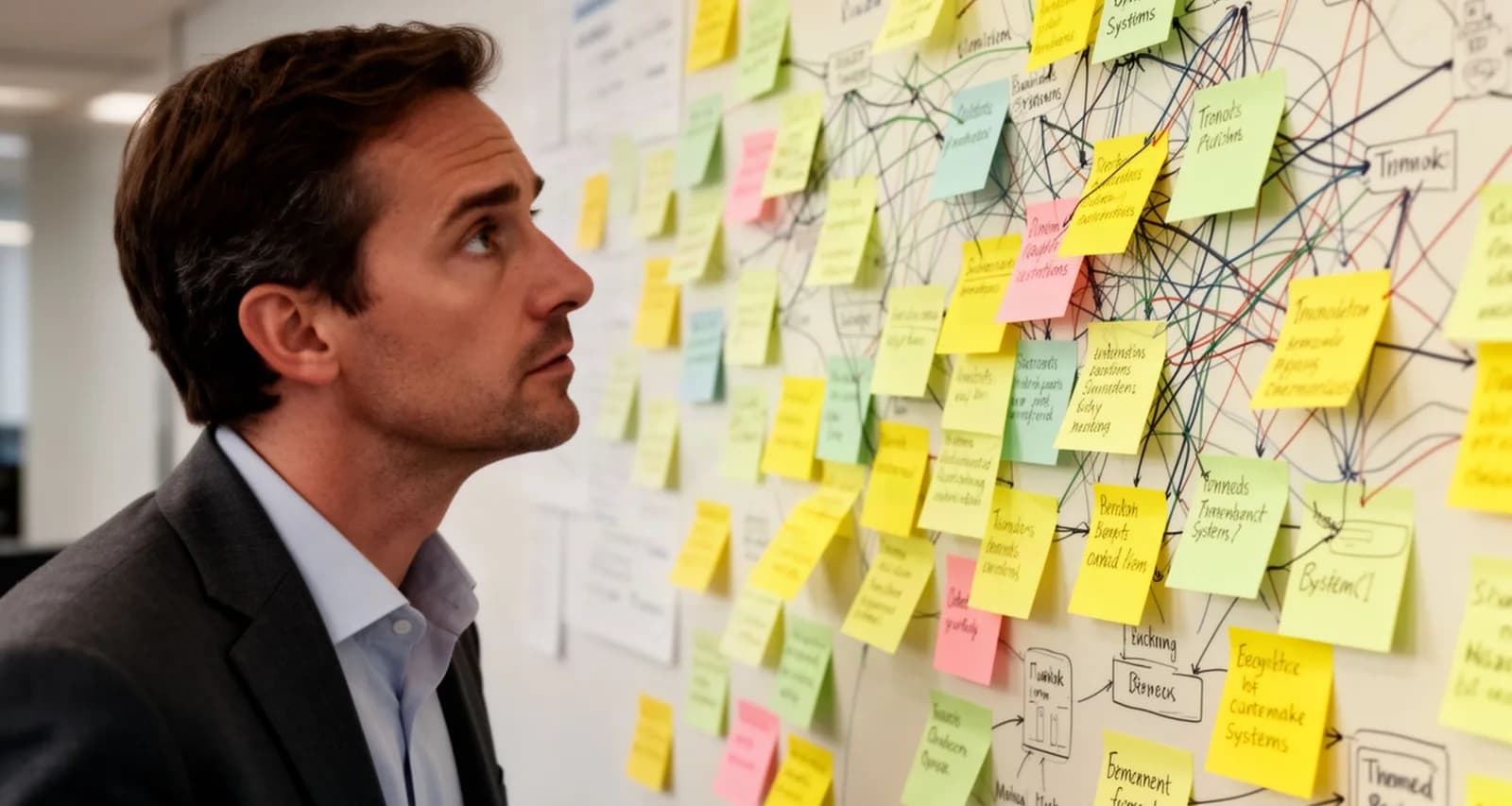
The business problem
Without a shared view of applications, data and dependencies, every change is riskier than it needs to be and duplicated investment goes unnoticed.
Our approach
Architecture that people actually use: a living view of the estate, clear principles and decision support for the programmes under way.
Why it matters, in published figures
of those enterprise applications are actually integrated
Source: MuleSoft Connectivity Benchmark, 2025of the US federal IT budget went on operating and maintaining existing systems in fiscal 2015
Source: US Government Accountability OfficeKey capabilities
- Application portfolio review
- Business capability mapping
- Data architecture
- Technology standards
- Target architecture
- Architecture governance
How it runs, step by step
The real design follows from your environment.

- Fewer overlapping systems over time
- Better-informed investment decisions
- Changes with fewer surprises
Try it: Healthcare Integration Hub
An integration platform for hospital systems: live monitoring, message tracing and exception handling in one place. Use it for yourself, or
Estimate it for your organisation
Time spent on working around overlapping applications. Set your own numbers and your estimate updates instantly.
Based on 230 working days and 1,720 hours a year. An estimate from your inputs, not a guaranteed result.
Review this with our teamHow we would engage

We spend time with the people who do the work, as well as those who sponsor it. The output is a shared statement of what must change and why.
What you receive
- Shared problem statement
- Success measures agreed
- Stakeholder map
Who is involved
Sponsors and business leads
Stage 1 of 7
Discuss Enterprise Architecture With Us.
Share a little about your organisation and what you hope to change, and we will arrange a conversation.