
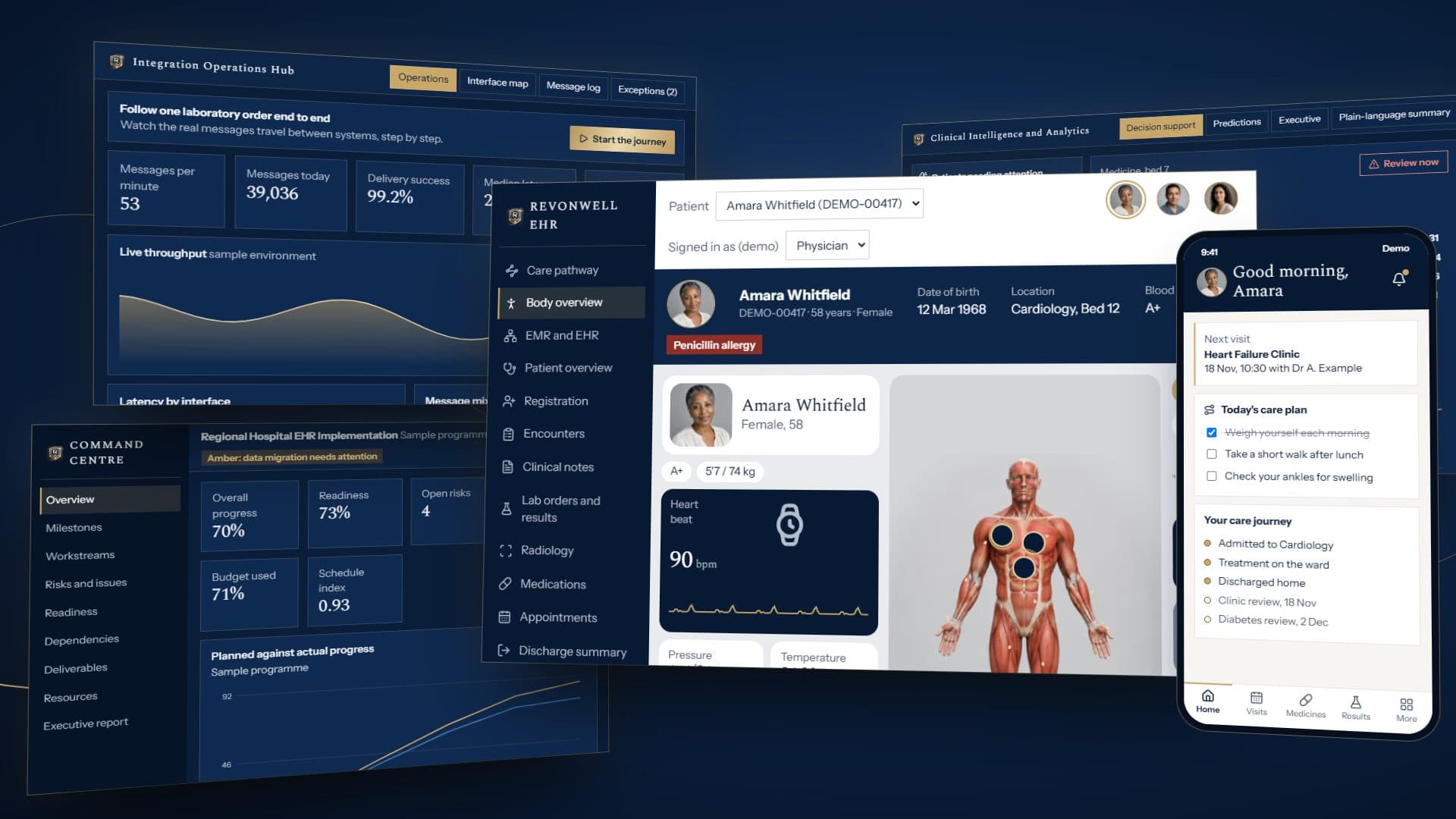
REVONWELL connects technology, intelligence and innovation to help organisations transform operations, modernise healthcare and build the digital capabilities of tomorrow.
Amara checks in, and her record opens for every clinician.
Sample patient, for illustration. Choose a step or a system.A Technology Partner for a More Connected Future.
REVONWELL is a technology and digital transformation company working across healthcare and enterprise environments. We help leaders connect what they already run, build what they lack and prepare for what comes next.
New capabilities, adopted only where they solve a real problem.
From strategy to working systems that people choose to use.
Information that follows patients, staff and customers across every touchpoint.
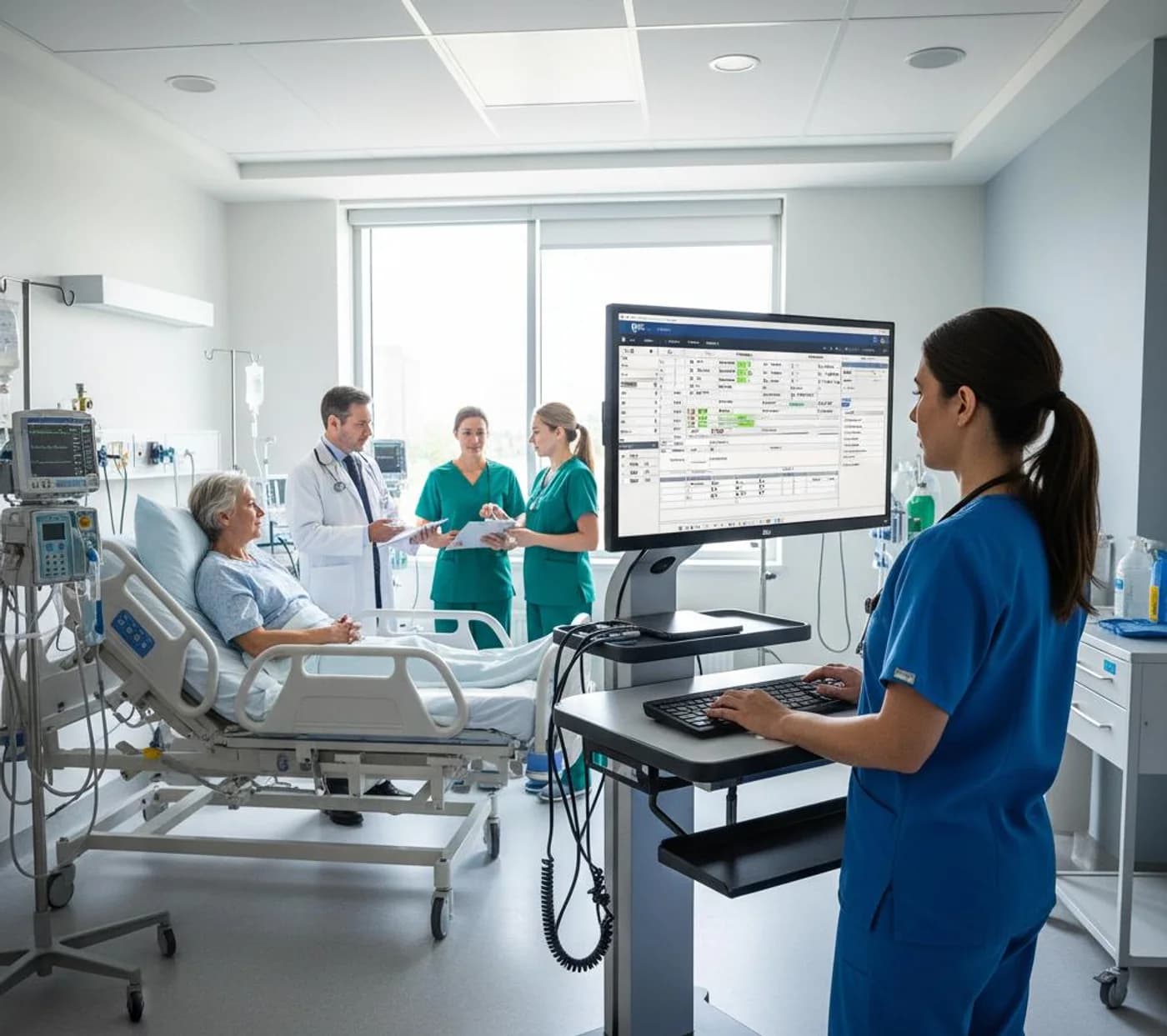

EHR/EMR, PHR, interoperability, clinical systems, patient engagement and digital health.
Explore Healthcare Technology
Technology strategy, enterprise architecture, systems modernisation and transformation programmes.
Explore Enterprise Digital Transformation
Artificial intelligence, automation, intelligent workflows and advanced analytics.
Explore AI and Intelligent Solutions
Cloud architecture, infrastructure modernisation, networking and managed technology.
Explore Cloud and Infrastructure
Application development, systems integration, APIs and digital platforms.
Explore Software and IntegrationFollow one patient through eight connected stages. Select a stage to see what it does, what it changes and what the published data says.
Explore Healthcare SolutionsThe journey starts and ends here. Every system downstream exists to serve this person and the team caring for them.
- One identity across every visit
- Less repeating of the same story
of US individuals were offered online access to their medical records in 2024, up from 42% in 2014
Source: ASTP data brief 77, 2024Six working prototypes with sample data. Hover to preview, or open one and try it yourself.
A hospital information and electronic health record platform that brings the patient record, orders, results and the connected journey into one workspace.
Most organisations do not lack technology. They lack connections between what they already run. Here is what that means, in numbers you can test.
Why complexity grows faster than you expect
Each new system has to talk to the ones you already run. Connected directly, the number of links grows far faster than the number of systems, and every link must be built, tested and looked after. Move the slider and see it for your own organisation.
The arithmetic: n systems need n(n-1)/2 direct links, or n links through a hub. Measurable progress starts here: fewer links, fewer failures, and faster change.
of those enterprise applications are actually integrated
Source: MuleSoft Connectivity Benchmark, 2025less value than predicted was delivered by large IT projects in the same study
Source: McKinsey and University of OxfordEstimate it for your organisation
Time spent on repeating work between disconnected systems. Set your own numbers and your estimate updates instantly.
Based on 230 working days and 1,720 hours a year. An estimate from your inputs, not a guaranteed result.
Review this with our teamSeven stages, each with clear outputs and named people, so you always know what you will receive and who needs to be in the room.

We spend time with the people who do the work, as well as those who sponsor it. The output is a shared statement of what must change and why.
Discuss Your TransformationWhat you receive
- Shared problem statement
- Success measures agreed
- Stakeholder map
Who is involved
Sponsors, clinical and business leads
Stage 1 of 7
Healthcare is our flagship. The same discipline serves any organisation facing connected, multi-system change. Tell us about yours.





Healthcare and Hospitals
Hospitals, healthcare groups, clinics, diagnostic organisations and healthcare networks.
- Clinical information spread across unconnected systems
- Staff time lost to duplicate documentation
- Limited visibility of capacity and patient flow


Nearly every US hospital now has a certified EHR, yet three in ten still lack all four core interoperability functions. When a message fails, the consequence appears on a ward.

Physicians spend about 16 minutes in the EHR per outpatient visit. The most useful selection criteria come from your own workflows, not a vendor's feature list.
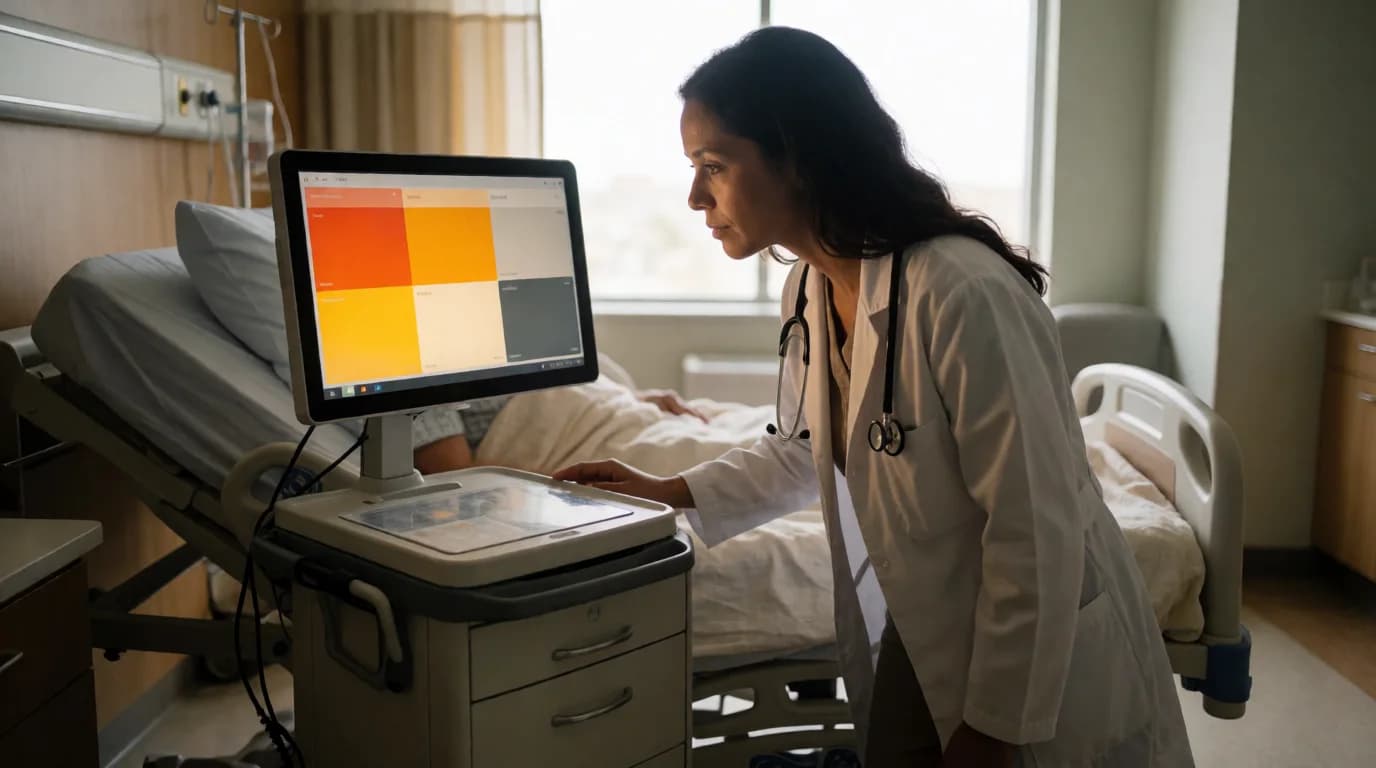
71% of US hospitals used predictive AI inside the EHR in 2024, but only 37% of independent hospitals did. What matters is where a clinician meets the output, and what happens next.